
If you live in the Chicago area, you already know that emissions testing is part of responsible vehicle ownership. For many drivers, though, that notice in the mail can trigger a bit of stress. What if your check engine light is on? What if your car feels fine but still fails? What exactly are they testing for, anyway?
The good news is that most emissions issues can be identified and corrected before you ever pull into a state testing facility. With the right preparation and guidance from a trusted auto mechanic in Chicago, IL, you can approach your emissions test with confidence instead of uncertainty. At Maxcare Auto Shield Repair, drivers receive thorough diagnostics, honest recommendations, and even access to voluntary emissions testing for qualifying gasoline-powered vehicles, helping eliminate surprises before the official inspection.
Understanding Illinois Emissions Testing Requirements
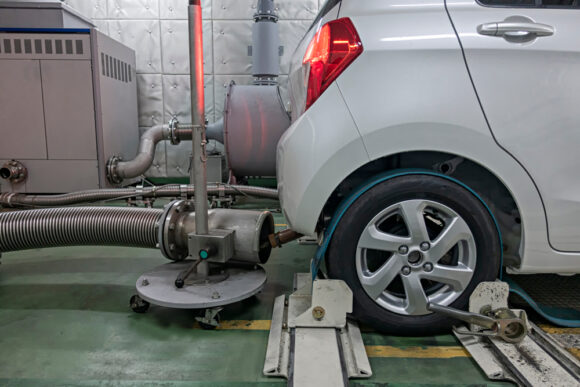
Illinois emissions testing is designed to ensure that vehicles meet environmental standards aimed at reducing air pollution. In the Chicago metropolitan area, gasoline-powered vehicles that fall within certain model years are required to undergo periodic testing. The process evaluates how well your vehicle’s emissions control systems are functioning, including components like the catalytic converter, oxygen sensors, fuel system, and onboard diagnostics.
During the test, inspectors connect to your vehicle’s onboard diagnostic system to check for fault codes and verify that emissions-related systems are operating properly. If your check engine light is illuminated, the vehicle will automatically fail. Even if the light recently turned off, stored codes can still trigger a failed result.
For many drivers, the frustration comes from not knowing there is an issue until they fail the official test. That is why proactive preparation is essential. Working with an experienced auto mechanic in Chicago, IL, before your scheduled test allows you to identify potential problems and address them on your timeline.
Why Vehicles Fail Emissions Tests
Emissions failures are more common than most drivers realize, especially in areas with heavy traffic and seasonal temperature swings like Chicago. Over time, normal wear and tear affects the components responsible for controlling exhaust output.
One of the most frequent causes of failure is a malfunctioning oxygen sensor. These sensors monitor the air-fuel mixture in your engine and ensure it burns efficiently. When they fail, fuel efficiency drops and emissions increase. Catalytic converter issues are another common culprit. This component reduces harmful gases before they exit the tailpipe. If it becomes clogged or damaged, emissions levels can exceed allowable limits.
Evaporative emission system leaks can also cause failure. These systems prevent fuel vapors from escaping into the atmosphere. A loose gas cap alone can sometimes trigger a fault code, while more serious leaks may require professional repair.
Exhaust system damage is another factor, particularly in regions that experience harsh winters. Road salt and moisture can accelerate corrosion, leading to leaks that compromise emissions performance. In these cases, timely exhaust repair in Chicago, IL, becomes critical not only for passing the test but also for maintaining engine efficiency and safety.
Steps to Take Before Your Emissions Test
Preparation begins with paying attention to your vehicle’s warning signs. If your check engine light is on, schedule a diagnostic appointment immediately. Ignoring it will almost certainly lead to a failed emissions test.
Even if no warning lights are present, consider a pre-test inspection. At Maxcare Auto Shield Repair, technicians can evaluate your vehicle’s emissions systems and identify potential concerns before they escalate. For a fee, gasoline-powered vehicles that would be testable in the Illinois program may receive a voluntary emissions test. This proactive service provides insight into whether your vehicle is likely to pass the official inspection.
Before heading to a testing station, make sure your vehicle has been driven recently. Cold engines may not perform optimally during testing. Driving for at least 15 to 20 minutes allows the engine and catalytic converter to reach normal operating temperature, which can improve results.
It is also wise to ensure your battery is in good condition. If the battery has recently been disconnected or replaced, the vehicle’s onboard diagnostic system may not have completed its readiness monitors. These monitors must be fully set before the emissions test. A qualified auto mechanic in Chicago, IL, can verify that all systems are ready.
The Role of Professional Diagnostics and Repairs
Modern vehicles rely heavily on computer-controlled systems. While that improves efficiency, it also means emissions issues are not always visible to the naked eye. Professional diagnostic equipment is essential for pinpointing the exact source of a problem.
At Maxcare Auto Shield Repair, technicians use advanced tools to read diagnostic codes, analyze sensor data, and inspect exhaust components thoroughly. Rather than replacing parts based on guesswork, they identify the precise cause of the issue.
If exhaust repair in Chicago, IL is needed, addressing it promptly prevents further complications. Leaks or damaged components can impact fuel economy, engine performance, and even cabin air quality. Repairing the exhaust system not only improves emissions compliance but also enhances overall driving experience.
When catalytic converters, oxygen sensors, or evaporative system components require replacement, having the work performed by a reputable auto mechanic in Chicago, IL, ensures that repairs meet manufacturer specifications and Illinois emissions standards.
Why Voluntary Emissions Testing Offers Peace of Mind
One of the unique advantages available at Maxcare Auto Shield Repair is the option for voluntary emissions testing for qualifying gasoline-powered vehicles. For a fee, drivers can receive an emissions evaluation before heading to the official state facility.
This service removes uncertainty. Instead of wondering whether your vehicle will pass, you receive clear insight into its emissions status. If any issues are detected, they can be addressed promptly, avoiding the inconvenience of a failed test and retesting requirements.
For drivers who rely on their vehicles daily for commuting, family responsibilities, or business, minimizing downtime is critical. Proactive testing and repair keep you in control of the process.
Illinois emissions regulations exist to protect air quality, but they do not have to become a source of stress. With the right preparation and support, the process becomes straightforward.
Staying Ahead of Future Emissions Issues
Emissions testing should not be viewed as a once-every-few-years event. Maintaining your vehicle consistently is the best way to avoid surprises. Routine oil changes, timely spark plug replacements, and regular inspections all contribute to cleaner engine performance.
Addressing minor issues early prevents larger, more expensive repairs down the road. For example, a small exhaust leak can eventually damage nearby components if left unresolved. Regular inspections with a trusted auto mechanic in Chicago, IL, keep your vehicle operating efficiently year-round.
Chicago’s weather extremes can also impact vehicle systems. Cold winters strain batteries and exhaust components, while humid summers can affect sensors and electrical systems. Seasonal checkups help ensure your car remains ready for both everyday driving and emissions compliance.
At Maxcare Auto Shield Repair, the focus is not just on passing the test. It is on long-term vehicle health. By combining diagnostics, repair expertise, and voluntary emissions testing services, they help Chicago drivers maintain reliable, compliant vehicles with confidence.
Preparing your car for Illinois emissions testing does not have to be complicated. With early diagnostics, professional exhaust repair in Chicago, IL, when needed, and the option for voluntary emissions testing, you can approach your next test prepared and informed. When you partner with an experienced auto mechanic in Chicago, IL, you turn what could be an inconvenience into a simple, manageable part of responsible vehicle ownership.