
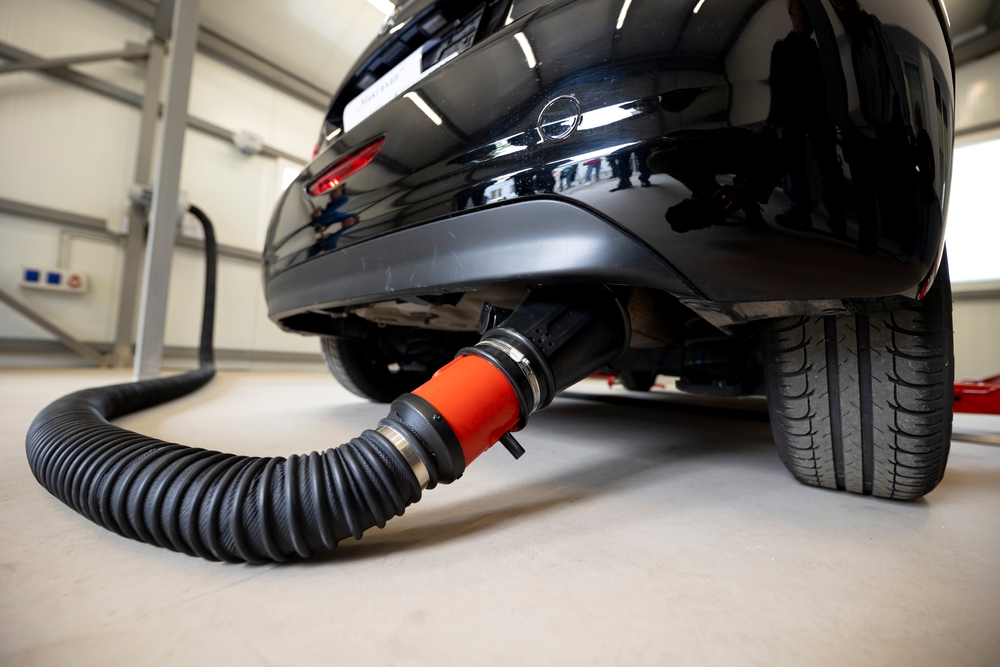
Failing your vehicle’s emissions test can be a frustrating and inconvenient experience, especially if you’re relying on your car for daily transportation. The emissions test is more than just a bureaucratic hurdle; it’s a vital measure to ensure that your vehicle isn’t contributing excessively to environmental pollution. In many places, including Chicago, passing an emissions test is a legal requirement for renewing your registration. Fortunately, a failed test isn’t the end of the road. Understanding what causes a failure and how to fix it can help you get back on track quickly and affordably.
This guide will walk you through the process of understanding the reasons behind an emissions test failure, diagnosing the issue, exploring emissions repair options, and making smart choices about your vehicle’s maintenance.
Why Your Vehicle Failed the Emissions Test
The first step in resolving a failed emissions test is to understand what went wrong. Modern vehicles come equipped with onboard diagnostic systems (OBD-II), which monitor various engine components and emissions-related systems. If your car fails the test, the issue is typically flagged by the OBD system and is often accompanied by a lit check engine light. This warning light is not just a minor inconvenience. It is a key indicator that something is wrong with your vehicle’s emissions control system.
Common reasons for failure include a faulty oxygen sensor, malfunctioning catalytic converter, problems with the mass airflow sensor, vacuum leaks, or issues with the gas cap seal. In some cases, it could be a result of something as simple as a loose gas cap, while in others it might signal a more significant problem that requires a full emissions system replacement.
Additionally, if your car’s battery has been disconnected recently or if you’ve recently cleared codes from your vehicle’s computer, it might not have had time to complete its drive cycle. This can result in an incomplete test, which also counts as a failure.
Diagnosing the Problem: What to Do First
Once you receive a failed test result, your next move should be to get a proper diagnosis. Many auto repair shops in Chicago offer diagnostic scans specifically aimed at identifying emissions issues. You can often have the diagnostic codes pulled for free at parts stores, but for a more in-depth diagnosis, it’s advisable to seek professional auto engine repair services in Chicago, IL. These professionals have access to advanced diagnostic tools and can interpret the fault codes accurately, pinpointing the exact issue.
If the check engine light emissions warning is on, the code retrieved will tell you what component or system is malfunctioning. For example, a code P0420 generally indicates that the catalytic converter is not functioning efficiently. A P0442 code suggests a small leak in the evaporative emissions system. Knowing the code helps you or your mechanic determine the necessary emissions repair steps.
While some car owners may attempt a DIY fix based on the codes, it’s usually more effective and less risky to rely on trained technicians who are familiar with your vehicle make and model.
Repairing Your Vehicle: Common Fixes for Emissions Issues
Once the diagnostic step is completed, the next phase is the repair. The nature of the repair will depend on the diagnostic results. Here are some of the most frequent types of emissions repair scenarios.
A common and relatively inexpensive fix is replacing the gas cap. If it doesn’t seal properly, it allows fuel vapors to escape, which will trigger emissions-related codes. Another simple solution could be replacing a worn or dirty air filter, which can improve engine efficiency and reduce emissions output.
More complex repairs may involve replacing the oxygen sensor or catalytic converter. The oxygen sensor monitors the level of oxygen in the exhaust gases and helps regulate the air-fuel mixture. A faulty sensor can cause your engine to burn more fuel than necessary, resulting in high emissions levels.
The catalytic converter is one of the most crucial and expensive components of the emissions control system. If it’s not operating efficiently, your vehicle may emit harmful pollutants such as carbon monoxide, nitrogen oxides, and hydrocarbons. In such cases, an emissions system replacement may be required.
You should also consider a thorough engine tune-up. Sometimes, carbon buildup in the combustion chambers or clogged fuel injectors can affect your engine’s efficiency, leading to high emissions output. Engine repairs that enhance combustion and fuel efficiency not only help you pass the test but also extend the life of your car and improve gas mileage.
Retesting After Repairs: What You Need to Know
After the necessary repairs have been completed, your vehicle must be retested. However, before you head back to the testing facility, it’s crucial to ensure that the vehicle’s onboard diagnostics system has gone through a complete drive cycle. A drive cycle is a specific set of operating conditions (speed, temperature, idle time) that allows the vehicle’s computer to recheck all monitored systems. If the system has not completed its cycle, the testing station may return an “incomplete” result again, even if the underlying issue is fixed.
Most repair shops that specialize in emissions will test your car’s readiness before sending you back to the official emissions testing station. This helps avoid another failed visit. If you’re unsure whether your vehicle is ready, ask the technician to confirm the readiness monitors are set.
Additionally, keep all records of your repairs and diagnostic reports. Some testing facilities or DMV offices may ask for proof of repair work if your vehicle continues to fail despite recent fixes.
Preventing Future Emissions Test Failures
Once your vehicle has passed its emissions test, the goal is to keep it that way. Regular maintenance is the best line of defense against emissions-related issues. Staying on top of oil changes, air filter replacements, and spark plug servicing can go a long way in preventing the need for more costly emissions repair work in the future.
It’s also wise to pay attention to fuel quality. Low-grade or contaminated fuel can leave residue in your engine and emissions systems. Over time, this can impair your vehicle’s performance and increase emissions output. Using a reputable gas station and occasionally running a fuel system cleaner can help maintain your engine’s cleanliness and efficiency.
The check engine light emissions indicator should never be ignored. If it lights up, even if your car seems to be running fine, it’s essential to get it checked as soon as possible. The longer you wait, the more damage may occur, potentially leading to expensive emissions system replacement needs.
Lastly, find a trusted local mechanic or shop that provides reliable auto engine repair services in Chicago, IL. Establishing a relationship with a knowledgeable technician means that when issues arise, you can address them swiftly and correctly, saving time and money.
Conclusion
Failing an emissions test might feel like a setback, but it doesn’t have to be a disaster. With a clear understanding of how emissions systems work and what steps to take, you can address the problem and get back on the road legally and responsibly. From identifying the issue with diagnostic tools to performing the right emissions repair, and finally ensuring your vehicle is ready for retesting, every step plays a critical role in restoring your car’s compliance and performance.
Whether you need a simple gas cap replacement or a full emissions system replacement, tackling emissions issues head-on ensures your vehicle runs cleanly and efficiently. Don’t ignore warning signs like the check engine light emissions alert, and always rely on reputable auto engine repair services in Chicago, IL for expert help. Not only will you pass your next emissions test with confidence, but you’ll also contribute to a cleaner environment and a more reliable ride.
Need an Auto Shop Near You?
Located near Midway Airport and proudly serving the South Side, our ASE certified mechanics are ready to handle everything from brake repair and engine diagnostics to transmission service and extended warranty repairs. We believe in honest, fast, and transparent service, and we make it easy with free repair estimates, shuttle service, and rental assistance. Contact us today to schedule your visit and see why so many drivers trust us to get their vehicles fixed right the first time.