
Chicago, Illinois, experiences some of the most challenging road conditions in the nation, and these environmental factors have a significant impact on your vehicle’s braking system. As a vehicle owner in Chicago, IL, understanding how local road conditions affect brake wear and tear is essential for maintaining your safety and extending the life of your vehicle.
Whether you’re navigating the pothole-riddled streets of downtown Chicago or dealing with winter weather on the highways, your brakes are working harder than they would in more temperate climates. This comprehensive guide explores how Chicago’s unique road conditions contribute to accelerated brake wear and what you can do about it.
Salt and Corrosion: The Winter Enemy of Your Brakes
During Chicago’s brutal winters, road salt becomes one of the primary culprits behind brake system deterioration. The Illinois Department of Transportation applies salt to roadways to combat ice and snow, but this salt creates a corrosive environment that attacks your vehicle’s metal brake components. When salt mixes with moisture and collects on your brake rotors, calipers, and other metal parts, it initiates a chemical reaction that leads to rust and corrosion.
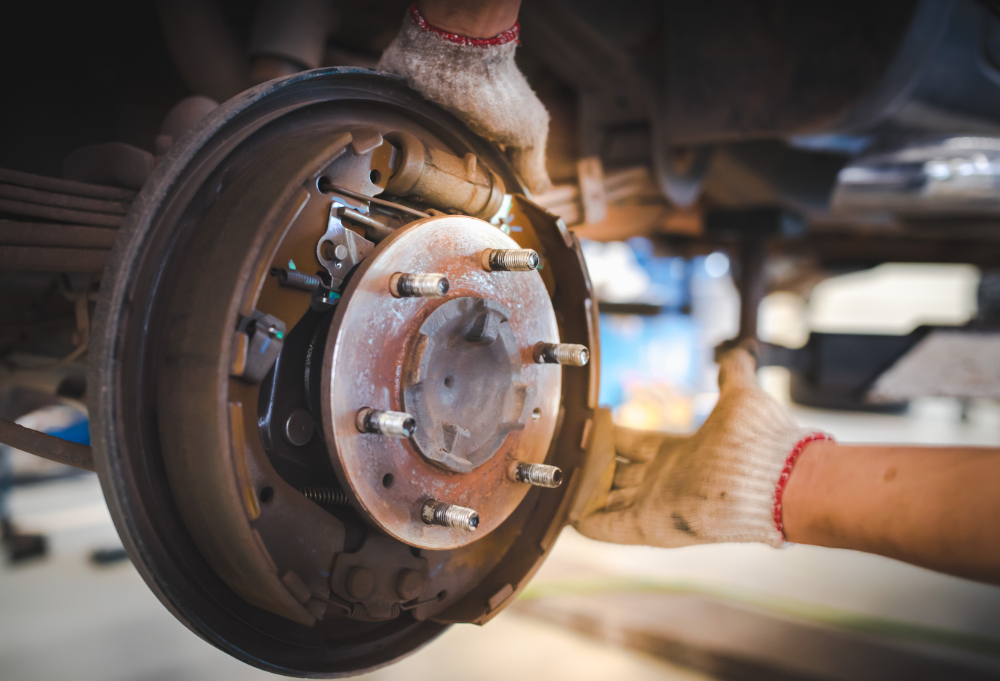
Brake rotors are particularly vulnerable to salt-induced corrosion. These cast iron components are directly exposed to the elements and salt compounds. Once corrosion begins, it creates pitting on the rotor surface, which can lead to uneven braking, vibration, and reduced braking efficiency. If left unchecked, severe corrosion can compromise the structural integrity of your rotors, requiring replacement far sooner than normal wear would dictate. An auto repair shop in Chicago, IL, will frequently see vehicles with advanced rotor corrosion during spring inspections after particularly harsh winters.
The brake calipers and brake lines also suffer from salt exposure. Brake lines are susceptible to rust from the inside out, which can lead to brake fluid leaks and brake system failure. This is why regular brake maintenance and inspection at a trusted auto repair shop is crucial for Chicago drivers. Professional technicians can identify early signs of corrosion and recommend preventive measures before they become safety hazards.
Pothole Damage and Impact Stress on Brake Components
Chicago’s road infrastructure takes a beating year after year, and the result is an abundance of potholes that create hazardous driving conditions. Every time you hit a pothole, your suspension, wheels, and brake system experience sudden impact stress. While potholes primarily affect your suspension and tires, they also put strain on your entire braking system by forcing your wheels out of alignment and affecting how evenly your brake pads contact the rotors.
When wheels are knocked out of alignment by pothole impacts, your brake pads may not contact the rotor evenly. This uneven contact accelerates brake pad wear on one side of the wheel compared to the other, leading to premature replacement. Additionally, sudden impact can damage brake caliper components and cause them to function improperly, leading to uneven braking force distribution across your vehicle.
Regular visits to an auto repair shop in Chicago, IL, should include brake system inspections after impacts from potholes. Technicians can check for alignment issues and ensure that your brake components are functioning properly. Addressing these issues promptly prevents minor damage from becoming major safety concerns.
Cold Weather and Brake Fluid Performance
Chicago’s frigid winters place significant demands on brake fluid, which is essential for transmitting braking force throughout your vehicle’s hydraulic brake system. Brake fluid is hygroscopic, meaning it naturally absorbs moisture from the air. In Chicago’s cold, humid climate, brake fluid becomes saturated with water more quickly than in drier regions. This water content reduces the fluid’s boiling point and compromises its ability to function effectively under heavy braking conditions.
When brake fluid contains too much moisture, it becomes susceptible to vapor lock, where the fluid actually boils inside your brake lines. This reduces your braking power and can lead to brake failure in emergency situations. Additionally, the water in brake fluid promotes corrosion of internal brake components, including the master cylinder, wheel cylinders, and brake lines. This internal corrosion is invisible to the naked eye but causes gradual degradation of your brake system’s functionality.
Regular brake fluid replacement is more important for Chicago drivers than for those in drier climates. Most auto repair shop professionals in Chicago, IL, recommend replacing brake fluid every one to two years rather than the standard three-year interval recommended for other regions. This preventive measure keeps your brake fluid in optimal condition and prevents water-related damage to your brake system.
Stop-and-Go Traffic and Heat Buildup
Chicago’s heavy traffic conditions, particularly during rush hours in downtown Chicago and on major expressways, create constant stop-and-go driving scenarios. This traffic pattern forces your brakes to work continuously, generating heat with each application. Excessive heat accelerates brake pad wear and can cause brake fluid to degrade faster, reducing your braking system’s overall lifespan and effectiveness.
When you’re stuck in traffic and repeatedly applying your brakes, the friction between brake pads and rotors generates tremendous heat. In normal driving conditions, this heat dissipates during periods of coasting or highway driving. However, in heavy Chicago traffic, your brakes rarely get a chance to cool completely before they’re applied again. This constant cycling generates heat stress that ages brake components faster than they would under normal conditions.
Brake fluid also suffers from this heat exposure. As brake fluid temperature rises, it becomes more likely to boil and lose its hydraulic properties. This is particularly problematic in vehicles that already have moisture-contaminated brake fluid from Chicago’s humid climate. The combination of heat and moisture creates a dangerous situation where your brakes may fail when you need them most.
Winter Moisture and Everyday Brake Corrosion
Beyond the salt and cold, Chicago’s winters bring persistent moisture that creates an ideal environment for brake component corrosion. Slush, ice melt, and water spray from traffic constantly coat your vehicle’s undercarriage and brake components. This moisture, combined with the salt applied to roads, creates a perfect storm for rust and corrosion throughout your brake system.
Even brief drives through wet, salty conditions coat your brake rotors and calipers with a corrosive mixture. Each time you apply your brakes, friction may temporarily clean some of this buildup away, but as soon as you stop driving, moisture and salt residue settle back onto the components. Over months and years of Chicago winters, this leads to significant corrosion that reduces brake performance and creates safety hazards.
Professional brake inspection at a local auto repair shop in Chicago, IL, becomes essential for identifying and addressing this moisture-related damage before it becomes critical. Technicians can clean components, apply protective coatings, and replace damaged parts to keep your braking system functioning safely.
Conclusion
Chicago’s unique road conditions create a harsh environment for your vehicle’s braking system. Salt, potholes, cold temperatures, moisture, and heavy traffic all contribute to accelerated brake wear and tear that exceeds national averages. By understanding these local challenges and committing to regular brake maintenance with a qualified auto repair shop in Chicago, IL, you can keep your brakes in optimal condition and ensure your safety on Chicago roads. Schedule regular brake inspections, replace brake fluid more frequently, and address damage promptly to protect this critical safety system.
Need an Auto Shop Near You?
Located near Midway Airport and proudly serving the South Side, our ASE certified mechanics are ready to handle everything from brake repair and engine diagnostics to transmission service and extended warranty repairs. We believe in honest, fast, and transparent service, and we make it easy with free repair estimates, shuttle service, and rental assistance. Contact us today to schedule your visit and see why so many drivers trust us to get their vehicles fixed right the first time.